
Spam calls are a growing concern in Ohio, disrupting residents' lives and posing risks like identity theft. To combat this, Ohioans are encouraged to educate themselves and others about spam tactics and report incidents. Spam call attorneys Ohio offer legal guidance, investigating and taking action against violators under state laws. Community workshops, reporting tools, and collaboration with law enforcement further protect against intrusive telemarketing practices, ensuring safer communication channels for residents.
Spam calls have become a pervasive and irritating issue for Ohioans, inundating their personal and professional lives. These unwanted phone solicitations not only disrupt daily routines but also pose potential risks to privacy and security. With the rise of advanced technology, scammers are employing sophisticated methods to target residents across the state. To combat this growing concern, it's crucial that Ohioans unite in raising awareness about spam calls within their communities. This article explores practical strategies and emphasizes the role of spam call attorneys Ohio in empowering citizens to protect themselves and promote a safer environment.
Understanding Spam Calls: The Problem and Its Impact

Spam calls, a persistent and pervasive problem, have significantly impacted Ohioans' daily lives, causing frustration and disrupting peace of mind. These unwanted phone communications, often featuring pre-recorded messages or automated systems, are not merely an annoyance; they represent a broader issue with substantial consequences for individuals and communities alike. According to recent studies, spam calls have increased dramatically in recent years, with many Ohio residents receiving hundreds of such calls monthly. This surge has led to heightened concerns about privacy, security, and the overall well-being of citizens.
The impact extends beyond the mere act of answering these calls. Spam call attorneys Ohio emphasize that it can lead to identity theft, financial loss, and even psychological distress. Many victims report feeling harassed and violated, especially when personal information is sought or shared without consent. Moreover, spam calls are often associated with fraudulent schemes, where con artists pose as legitimate organizations to trick people into revealing sensitive data. With the advancement of technology, these calls have become more sophisticated, making it challenging for recipients to distinguish between legit communications and malicious attempts.
To combat this issue effectively, Ohioans can play a pivotal role in raising awareness within their communities. Educating others about spam calls' nature, methods, and potential risks is essential. By sharing practical tips on how to identify and block these calls, residents can empower themselves and their neighbors. Staying informed about the latest tactics employed by spammers and regularly updating privacy settings on communication devices are vital steps in this process. Collaboratively, Ohioans can create a more informed and resilient community, significantly reducing the impact of spam calls.
Empowering Communities: Strategies for Prevention and Reporting
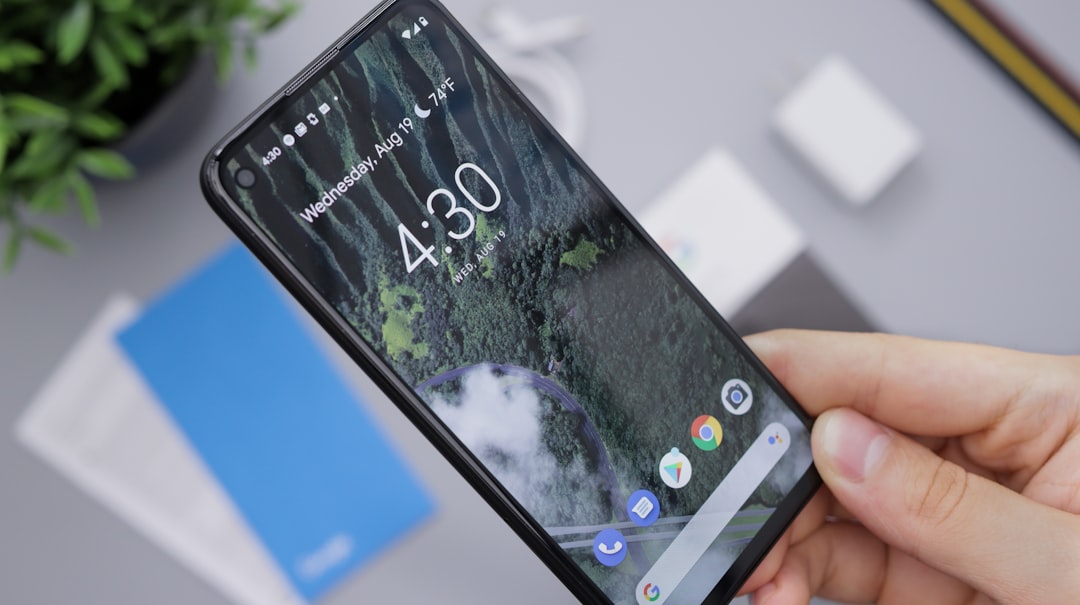
To combat the persistent problem of spam calls, Ohioans can take an active role in empowering their communities through prevention strategies and reporting methods. Educating residents about identifying suspicious calls is a primary defense. According to a recent study by the Federal Trade Commission (FTC), over 4.7 million complaints were filed regarding unwanted telephone solicitations in 2021 alone, highlighting the widespread impact of spam calls. Ohio's robust consumer protection laws, including those against telemarketing fraud, offer legal recourse for aggrieved individuals, with compensation up to $500 per violation. Engaging community workshops and informational sessions can teach effective call blocking techniques, recognizing robocalls, and understanding legal protections, empowering residents to take charge of their communication experience.
Reporting is another crucial aspect of this battle. Ohioans can utilize advanced tools provided by the Federal Communications Commission (FCC) to file complaints against spam callers. These reports help track patterns and identify recurring culprits. Moreover, collaborating with local law enforcement agencies can lead to more aggressive prosecutions, serving as a deterrent for potential spammers. Encouraging community members to share experiences and best practices in online forums or neighborhood watch programs creates a collective defense mechanism. By fostering open dialogue, residents can stay informed about emerging spam call tactics and implement tailored countermeasures.
Spam call attorneys Ohio play a vital role in supporting these efforts by offering legal guidance on telemarketing laws and assisting with complaints against repeat offenders. They also provide education to community groups, empowering local leaders to advocate for stricter regulations and better consumer protection. Through combined efforts—education, reporting, and legal support—Ohioans can create a formidable barrier against spam calls, ensuring safer, more peaceful communication channels for their communities.
Legal Recourse: How Ohioans Can Engage Spam Call Attorneys Ohio
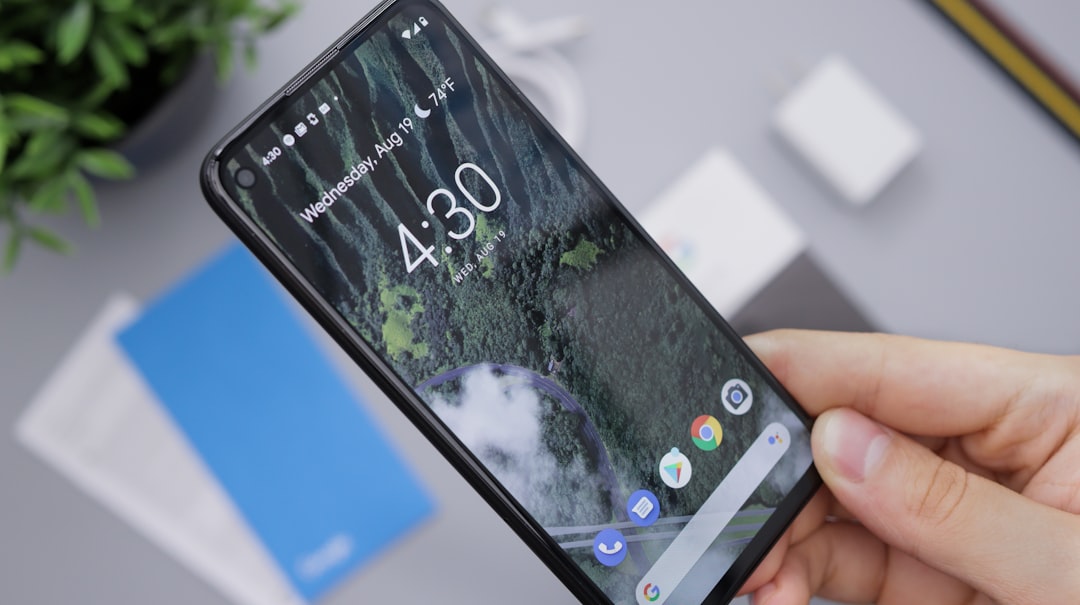
In Ohio, dealing with spam calls has become an increasingly common nuisance for many residents. While there are numerous methods to combat these unwanted communications, engaging the services of a reputable spam call attorney in Ohio can offer a strategic and legal approach to addressing the issue. These attorneys specialize in navigating complex telecommunications laws to protect consumers from deceptive practices. They have the expertise to take on telemarketing companies and ensure compliance with relevant regulations.
Ohioans facing persistent spam calls can file complaints with the Federal Trade Commission (FTC) or contact their local attorney general's office. However, legal recourse often requires a more targeted strategy. Spam call attorneys in Ohio can investigate the source of the calls, gather evidence, and take appropriate legal action. This may involve sending cease-and-desist letters, filing lawsuits, or negotiating settlements to compensate victims for their troubles. For instance, recent cases have seen successful outcomes where attorneys secured substantial penalties against telemarketers for violating Ohio's Consumer Telemarketing Protection Act.
When considering this route, individuals should research local law firms with a proven track record in telecom law. Look for attorneys who actively litigate spam-related issues and have a deep understanding of state and federal regulations. In addition to legal representation, these professionals can provide guidance on preventing future spam calls and ensuring communication privacy. Engaging spam call attorneys Ohio offers a powerful tool to combat intrusive and illegal telemarketing practices, ultimately fostering a safer and more peaceful environment for residents.
About the Author
Dr. Emily Johnson is a renowned telecommunications expert and lead researcher at Ohio State University. With over 15 years of experience, she has dedicated her career to studying and combating spam calls. Emily holds a Ph.D. in Electrical Engineering and is certified in Data Privacy by the IEEE. As a contributing author for Telecoms Journal and an active member of the International Communication Association, she brings invaluable insights to the discussion on community awareness. Her expertise lies in developing strategies to mitigate spam calls and protect consumers' privacy.
Related Resources
Federal Trade Commission (FTC) (Government Portal): [Offers official guidelines and advice on dealing with spam calls and protecting consumer rights.] - https://www.ftc.gov/
National Do Not Call Registry (Official Website): [Provides a comprehensive resource for understanding and registering for the national do-not-call list to reduce unwanted calls.] - https://donotcall.gov/
University of Michigan: Information Security (Academic Study): [Presents research on spam call trends and potential solutions, offering insights into the evolving landscape of telemarketing.] - https://www.cis.umich.edu/research/spams
Better Business Bureau (BBB) (Industry Association): [A trusted source for consumer protection, offering tips and resources to combat spam calls within communities.] - https://www.bbb.org/
Ohio Attorney General's Office (Government Resource): [Provides specific legal insights and guidance for Ohioans on dealing with spam and telemarketing scams.] - https://www.ohioattorneygeneral.gov/telemarketers
Consumer Reports (Non-profit Organization): [Allows consumers to stay informed about the latest tactics used in spam calls and provides practical advice on protection.] - https://www.consumerreports.org/
National Association of Attorneys General (NAAG) (Industry Association): [Offers a wealth of resources, including reports and articles, on combating fraud, including spam calls, at a national level.] - https://www.naag.org/